

What Shows Up on a Background Check? A Complete Breakdown
Background checks serve as a vital tool in the hiring process, allowing employers to verify critical information about potential employees. Understanding what shows up on these checks is essential for both employers and job seekers. This article delves into the specifics of background checks, including what information is typically included, the types of records that may appear, the duration of the checks, and the different types used by businesses. Many individuals may find themselves confused by the complexities of background checks, which is why this guide aims to clarify these processes and provide valuable insights. By the end of this article, you will grasp the different components of background checks, their timelines, and how they might affect employment decisions.
What Information Is Included in a Background Check?
Background checks typically include various types of information that help employers assess an applicant’s suitability for a position. This process often encompasses several categories of data, each playing a crucial role in helping businesses make informed hiring decisions. Verifying these details is essential for ensuring a trustworthy work environment, thus making it crucial for both employers and job seekers to understand what information will likely be scrutinized in a background check.
The types of data commonly collected during a background check include:
- Identity Verification: This includes confirming an applicant’s identity through various means.
- Criminal Records: Information about any past criminal activity, which can be pivotal in determining a candidate’s reliability.
- Employment History: Verification of previous employment, including job titles, responsibilities, and dates of employment.
- Educational Verification: A check on the applicant’s claims about their educational credentials.
- Credit History: This may be included for certain financial positions, where trustworthiness is key.
Thorough verification of these types of information not only promotes a safer workplace but also lays the groundwork for a transparent and honest hiring process.
Which Types of Records Appear on a Background Check?
Several different records may surface during a comprehensive background check, each type providing insights into an applicant’s past behaviors and qualifications. Understanding the specific kinds of records that can appear is vital for both employers strategizing their hiring process and applicants preparing for employment opportunities.
The most frequently encountered records in a background check are:
- Criminal Records: Details about felonies or misdemeanors, including arrests, charges, and convictions.
- Driving Records: Particularly relevant for positions requiring driving, this includes information about traffic violations or serious incidents like DUIs.
- Employment History: Verification of an applicant’s previous jobs, roles, and the duration of their employment.
- References: Responses or evaluations from previous employers or business associates that provide insights into the applicant’s skills and work ethic.
These records are essential for employers to evaluate the reliability and integrity of their applicants, ultimately assisting in maintaining workplace safety.
How Long Does a Background Check Take and What Factors Affect Duration?

The duration of background checks can greatly vary depending on several factors, each influencing how quickly the process can be completed. Knowing these factors can help applicants manage their expectations during the hiring process.
Background checks can generally take anywhere from a few days up to several weeks, depending on:
- Type of Check: More comprehensive checks, such as those involving educational verifications or criminal background checks, can take longer.
- Geographic Considerations: Checks that involve multiple states may require more time due to differences in local laws and processing speeds.
- Response Times: The speed at which previous employers, educational institutions, or other entities respond to verification requests can significantly influence overall duration.
Understanding these factors can aid applicants in preparing for what to expect during a hiring process.
What Are Typical Timelines for Different Types of Background Checks?
Different types of background checks come with varying timelines that depend largely on their complexity and the entities involved in conducting the verifications. Recognizing these anticipated timelines can aid both job seekers and employers.
Here are typical timeframes associated with common types of background checks:
- Employment Verification: Generally takes 1-3 days as it often involves direct communication with past employers.
- Criminal Background Checks: These can range from 1-7 days, depending on the jurisdiction and the depth of the check.
- Credit Checks: Typically completed within a few days, although full credit reports may take longer.
- Educational Verification: Often requires 1-2 weeks, especially if contacting multiple institutions.
This understanding allows for better planning and smoother transitions through the hiring process.
What Are the Different Types of Background Checks Businesses Use?
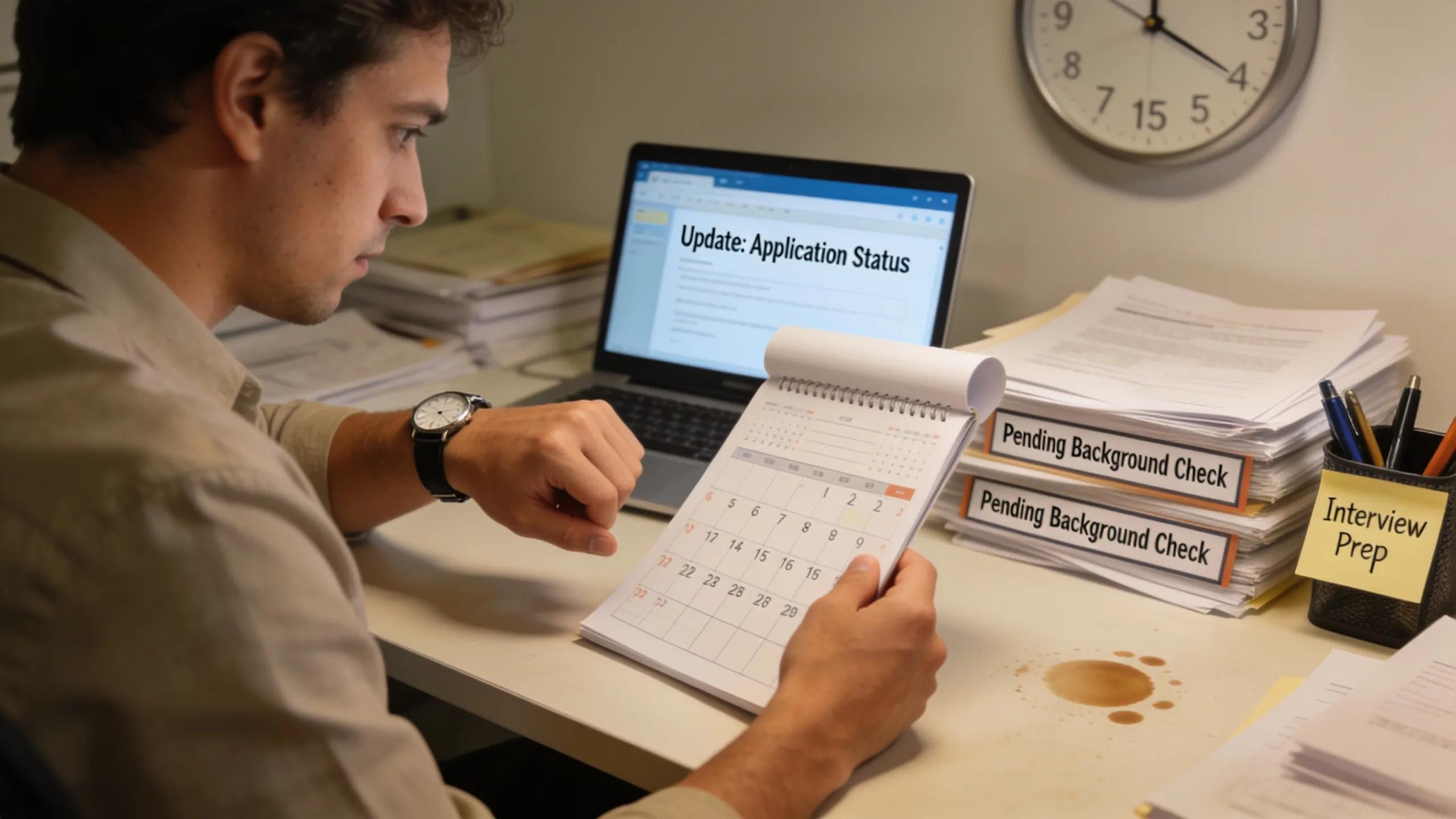
Businesses employ various types of background checks based on their specific needs, the nature of the job, and regulatory requirements. Familiarizing yourself with these different types can enhance your preparedness during the hiring process.
The primary background checks businesses typically utilize include:
- Criminal Checks: To assess any criminal liability.
- Employment History Checks: To confirm the accuracy of an applicant’s job claims.
- Credit Checks: Particularly for positions handling financial responsibilities.
- Driving Record Checks: Relevant for roles that require operating vehicles.
Understanding these checks can help job seekers disclose relevant information proactively, increasing transparency and trust with potential employers.
The insights provided by these checks not only benefit businesses in hiring the right candidates but also contribute to creating a safer and more reliable workplace environment. If you’re seeking guidance on how to navigate the complexities of background checks or need further information, resources from reliable platforms like Information Hub can offer valuable assistance.